Chimney Cap vs Damper vs Chimney Fan: What Fixes Your Problem?
Posted by The Blazzing Fire Team on Nov 20th 2026
Fireplace problems rarely announce themselves politely. It's smoke rolling out of the opening the minute the logs catch. Or a cold draft you can feel from the couch in January, even with the fire out. Or the sound of something scratching around inside the chimney at 5 a.m. Each one is frustrating, and each one points to a different part.
That's the catch: a chimney cap, a damper and a draft fan all live in or on the chimney, but they solve very different problems. Buy the wrong one and you've spent money without fixing anything. So let's start with what's actually going wrong, then match it to the fix.
Match the Problem to the Fix
| Problem | Likely Cause | Usual Fix | Call a Pro First? |
|---|---|---|---|
| Rain, leaves or animals in the flue | Open chimney top | Chimney cap | Only if an animal is inside |
| Cold drafts and high heating bills | Leaky or missing damper | Top-sealing damper | Recommended for roof work |
| Chimney smell when the fireplace is off | Creosote plus air coming down the flue | Sweep, then a tight damper | Yes, for the sweep |
| Smoke when you first light a fire | Cold flue or negative pressure | Better lighting habits, crack a window | No |
| Smoke spills into the room all the time | Weak draft: short chimney, blockage, house pressure | Diagnose first; a draft fan if nothing else works | Yes |
Before you buy anything for a smoke problem, get the chimney swept and inspected. A blockage, a nest or heavy creosote can look exactly like a draft problem, and no part fixes a clogged flue.
Chimney Caps: For Rain, Debris and Critters
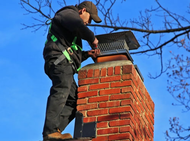
A chimney cap sits on top of the flue with a roof to shed rain and a mesh screen to keep out birds, squirrels, raccoons and leaves. It also helps stop sparks from landing on the roof. If your chimney doesn't have one, it's usually the cheapest, most useful upgrade you can make.
Signs you need a cap:
- Water, rust or a damp, musty smell in the firebox after rain
- Leaves, twigs or nest material in the fireplace
- Scratching or chirping in the chimney
Caps are sized to the flue, so measure the outside of the flue tile (or the liner) before you order. A few we carry:
- HY-C Single-Flue Stainless Steel Cap: $93.53–$243.13, mounts outside the flue tile
- HY-C Stainless Steel Liner Cap: $86.83–$92.18, for round stainless liners
- HY-C Stainless Steel Bolt-On Round Cap: $134.27–$168.32
If an animal is already inside, don't light a fire to smoke it out. Call a sweep or a wildlife removal service, then cap the chimney.
Dampers: For Drafts and Lost Heat
A damper closes off the chimney when you're not using the fireplace. Without a good one, your chimney is basically an open window to the sky. Warm air goes up, cold air and outdoor smells come down. U.S. Fireplace Products estimates that heat loss through fireplace chimneys averages about 8% of home heating costs.
Most older fireplaces have a throat damper: a cast iron plate just above the firebox. They warp and rust over time and often don't seal well. A top-sealing damper mounts at the top of the chimney and closes with a cable you pull from inside the fireplace. Because it seals at the top, it also works as a cap when closed, keeping out rain and animals.
- US Fireplace Products Energy Top: $351.00–$539.00. A low-profile top-mounted damper that doubles as a cap, with a cool-touch spring handle and a lifetime warranty. It defaults to open for safety.
- US Fireplace Products Energy Top Plus: $569.00–$977.00. Adds a built-in stainless steel cap.
- US Fireplace Products Seal Tight Damper, 13" x 13": $289.00
One important note: these top-mounted dampers are made for open wood-burning masonry fireplaces. They're not for vented gas logs, wood stoves, inserts or other appliances. A homeowner who's comfortable on a roof can install one, but we'd recommend a chimney sweep.
Draft Fans: For Stubborn Smoke Problems
A chimney fan (also called a draft inducer) mounts on top of the chimney and pulls exhaust up and out. It's the fix for fireplaces that just won't draw, no matter what you do. Common culprits are chimneys that are too short, chimneys downwind of a taller roofline or trees, oversized fireplace openings, and tight, energy-efficient houses where exhaust fans compete with the fireplace for air.
Fans are a bigger investment and a professional install. We carry Enervex chimney fans, from the RS 009 at $2,300.00 up to larger models. The Enervex ADC100 Fan & Damper Control ($815.60) monitors chimney pressure and runs the fan automatically. Sizing depends on the fireplace and flue, so call us before you order.
Try these cheaper fixes first:
- Warm the flue. Hold a rolled-up newspaper, lit, near the open damper for a minute before lighting the fire.
- Crack a window near the fireplace and turn off bath and kitchen exhaust fans while the fire's starting.
- Burn dry wood. Wet wood smokes no matter how good the draft is. Our guide to seasoning and storing firewood covers it.
- Build smaller fires toward the back of the firebox.
- Add glass doors or a smoke guard to reduce the size of the opening.
Or Skip the Chimney Headaches Entirely
If you're tired of fighting drafts and smoke, there are other ways to enjoy your fireplace. You can put gas logs in a wood-burning fireplace or drop in an electric insert and close up the flue. Our fireplace smell guide and why to get a chimney cleaning are also good reads, along with the top wood-burning fireplace mistakes.
Frequently Asked Questions
Do I need a chimney cap if I have a damper?
A throat damper doesn't keep rain or animals out of the flue, so a cap is still a good idea. A top-sealing damper doubles as a cap when it's closed.
What's the difference between a throat damper and a top-sealing damper?
A throat damper sits just above the firebox and often leaks as it ages. A top-sealing damper closes the chimney at the top with a gasket, sealing much more tightly and keeping out rain and critters.
Why does smoke come into the room when I light a fire?
Usually a cold flue or negative pressure in the house. Warm the flue first, crack a window and turn off exhaust fans. If smoke spills every time, have the chimney inspected.
Will a chimney fan fix a smoky fireplace?
Often, when the problem is weak draft. But have the chimney swept and inspected first, since blockages and creosote cause similar symptoms.
Can I install a chimney cap myself?
Many homeowners do if they're comfortable on a roof. Measure the flue carefully first. If the roof is steep or high, hire a chimney sweep.
Fix the Right Problem the First Time
Chimney parts aren't glamorous, but the right one makes a fireplace warmer, cleaner and a lot less frustrating. Blazzing Fire was founded in 2016 by fireplace and chimney experts with over 100 years of combined industry experience, and we're an authorized dealer for every brand we sell, with full manufacturer warranties and technical support on every order. Shop chimney caps, dampers and chimney fans, or call 866-238-9228 and describe what your fireplace is doing. We'll point you to the fix.