
Why Does My Fireplace Smell? Gas, Wood & Electric Causes
Posted by The Blazzing Fire Team on Nov 16th 2026
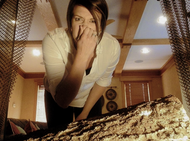
You walk into the living room and there it is. Maybe it's a dusty, scorched smell the first time you turn on the gas fireplace in October. Maybe it's a stale campfire odor drifting out of a fireplace nobody has used since March. Or maybe it's something sharper that makes you stop and sniff the air twice.
Most fireplace smells are harmless and easy to fix. One of them is an emergency. Here's how to tell what your fireplace smell means, whether you burn wood, gas or electric, and what to do about each one.
First: Does It Smell Like Rotten Eggs?
Natural gas and propane have no smell of their own. Utilities add an odorant that smells like rotten eggs or sulfur so you'll notice a leak. If that's what you smell, don't light anything, don't flip switches, and don't use your phone inside. Get everyone out and call your gas company or 911 from outside.
Everything below assumes it isn't that.
Common Fireplace Smells and What They Mean
| Smell | Likely Cause | How Serious? | What to Do |
|---|---|---|---|
| Rotten eggs or sulfur | Possible gas leak | Emergency | Leave and call the gas company from outside |
| Burning dust (first fire of the season) | Dust burning off the burner, logs or heater | Normal | Run it a while; clean if it persists |
| Hot paint or chemicals (new unit) | Paint curing and manufacturing oils burning off | Normal | Follow the burn-in steps; open a window |
| Stale campfire or asphalt | Creosote in the chimney | Moderate | Schedule a chimney sweep |
| Musty or damp | Water getting into the chimney | Moderate | Check the cap, crown and flashing |
| Something rotting | An animal or nest in the chimney | Moderate | Call a sweep or wildlife pro; add a cap |
| Burning plastic or electrical | Wiring, a melted part or something too close | Stop using it | Turn it off, unplug if electric, call for service |
Gas Fireplace Smells
The first-fire-of-fall smell
It's almost a ritual. The first chilly evening, you turn on the gas fireplace and the room fills with a dusty, slightly burnt smell. That's months of dust, pet hair and maybe a few spider webs cooking off the burner and logs. It usually fades within the first hour or two. If it comes back every time, the logs and firebox probably need a good cleaning. Our gas fireplace maintenance checklist walks through it.
The brand-new fireplace smell
New gas fireplaces and stoves have a break-in period. Regency recommends running a new gas unit for at least four hours the first time to cure the paint, and warns that the smell can set off smoke detectors. Open a couple of windows, keep pets and anyone sensitive to odors in another room, and don't panic. Clean the glass after that first long burn, too, since the residue can leave a film.
Smells from vent-free gas logs
Vent-free logs release their exhaust into the room, so you'll notice a faint odor more than you would with a vented unit. A strong or sharp smell, soot on the logs, or headaches mean something's off. Turn it off, open a window, and have it serviced. Vent-free units need clean burners, the correct log placement and the right room size to burn well.
Wood-Burning Fireplace Smells
The campfire smell that won't leave
That smoky, tarry smell, especially on warm or humid days, is usually creosote, the residue wood smoke leaves inside the chimney. Damp, heavy air makes it worse. So does negative pressure: when bathroom fans, kitchen hoods or a clothes dryer pull air out of the house, replacement air can come down the chimney and carry the smell into the room.
Fixes that help:
- Get the chimney swept. It reduces the odor and lowers fire risk. Our post on why to get a chimney cleaning covers the basics.
- Close the damper tightly when the fireplace isn't in use. Many older throat dampers leak. A top-sealing chimney damper seals at the top of the flue and blocks much more airflow.
- Add glass doors to slow air moving between the chimney and the room.
- Ease the negative pressure. Crack a window when big exhaust fans are running.
Musty, wet smells
A damp, basement-like smell usually means water is getting in. Rain coming down an uncapped flue mixes with soot and ash and smells awful. A chimney cap keeps rain, leaves and animals out. If you already have one, a sweep can check the crown and flashing for leaks.
The smell of something that died
We won't sugarcoat this one. Birds, squirrels and raccoons sometimes get into uncapped chimneys and don't make it out. Don't try to fish anything out yourself. Call a chimney sweep or wildlife removal service, then install a cap so it doesn't happen again.
Electric Fireplace Smells
Electric fireplaces don't burn anything, so smells are less common. A light dusty smell when you first run the heater after months off is normal and should fade quickly. Dusting the vents now and then prevents it.
A burning plastic or electrical smell is different. Turn the unit off, unplug it, and check that nothing is touching or blocking the heater outlet. If the smell continues, stop using it and contact the manufacturer or us for warranty support. Don't plug an electric fireplace into an extension cord or power strip unless the manual says it's okay.
How to Keep Fireplace Smells Away
- Schedule a yearly inspection for wood and gas fireplaces.
- Keep the damper closed when you're not burning wood.
- Burn only dry, seasoned firewood. Wet wood makes more smoke and creosote.
- Clean gas logs and glass once a year with fireplace cleaners made for the job.
- Put a cap on the chimney.
- Test smoke and CO alarms monthly.
Tired of chasing chimney smells altogether? Many people convert an old wood fireplace to gas logs or an electric insert. See can you put gas logs in a wood-burning fireplace and our picks for the best electric fireplace inserts.
Frequently Asked Questions
Why does my fireplace smell when it's not in use?
Usually creosote in the chimney combined with humid air or negative pressure pulling air down the flue. A sweep, a tight damper and a chimney cap usually fix it.
Is it normal for a gas fireplace to smell when first turned on?
A dusty smell on the first fire of the season is normal and should fade within an hour or two. A rotten-egg smell is not. Leave and call your gas company.
How long does a new gas fireplace smell last?
The paint-curing smell usually fades during the first several hours of burning. Follow your manual's break-in instructions and ventilate the room.
Why does my chimney smell worse when it rains?
Moisture makes creosote odors stronger, and rain can get into an uncapped flue. A chimney cap and a sweep help.
Can an electric fireplace smell like burning?
A brief dusty smell after storage is normal. A persistent burning plastic or electrical smell means you should turn it off, unplug it and have it checked.
Breathe Easy by the Fire
A fireplace should smell like a cozy evening, not like a mystery you have to solve. Blazzing Fire is the one-stop hearth retailer for gas logs, gas, electric and wood-burning fireplaces, mantels, venting and outdoor fire, and we were founded in 2016 by fireplace and chimney experts with over 100 years of combined industry experience. Shop chimney caps and dampers, or call 866-238-9228 and tell us what you're smelling. We'll help you figure out the fix.