How to Build a Fire in a Fireplace: The Top-Down Method
Posted by The Blazzing Fire Team on Nov 25th 2026
Most of us learned to build a fire the same way: crumple some newspaper, pile kindling on top, lean a few logs against it like a teepee, light the bottom, and hope. Sometimes it works. Often it smokes, collapses, and needs three more matches and a lot of blowing before it really gets going.
There's a better way, and it feels a little backward at first. It's called the top-down fire, or the upside-down fire, and once you try it you may never go back. Here's how to build a fire in a fireplace using the top-down method, why it works, and the small habits that keep smoke where it belongs: up the chimney.
Before You Build: Three Things That Matter More Than the Method
- Dry wood. Wet or green firewood smokes no matter how you stack it. The EPA recommends wood that has dried for at least six months, with moisture under 20%. Our guide to seasoning and storing firewood explains how to check.
- An open damper. It sounds obvious, but a closed damper is the number one reason a living room fills with smoke. Open it all the way before you build anything.
- A clean, inspected chimney. If it's been a while, have it swept. See why to get a chimney cleaning.
What You'll Need
- Three or four larger split logs
- Several medium splits
- A handful of kindling (small, dry sticks or thin splits)
- Newspaper or a natural fire starter
- A long lighter or matches
- A fireplace grate and a tool set
The EPA suggests bringing kindling indoors the night before so it warms to room temperature and loses some surface moisture. Lighter woods like maple make good starting fuel.
How to Build a Top-Down Fire, Step by Step
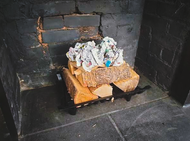
- Lay the biggest logs on the bottom. Place your largest splits side by side on the grate, close together.
- Add a second layer crosswise. Lay medium splits across the first layer, perpendicular to it.
- Add a third layer of smaller pieces across the second, leaving a little space between them for air.
- Top it with kindling and newspaper. Pile loose kindling on top, with a few twists of newspaper or a natural fire starter tucked in.
- Warm the flue by holding a lit twist of newspaper up near the open damper for a few seconds until you feel the draft pull upward.
- Light the top. Light the newspaper or fire starter at the top of the stack.
- Close the screen and let it work. The fire burns downward through the layers on its own.
Why the Top-Down Method Works
In a traditional fire, the flame starts at the bottom and the smoke from the cold logs above has to pass through... well, nothing. It goes straight up the chimney unburned. In a top-down fire, the gases released by the lower logs rise through the flames already burning above them, so more of that smoke actually burns.
People who use the method report a few benefits:
- Less smoke, especially in the first few minutes, when most smoke happens
- Less tending. A well-built stack can burn for a couple of hours without needing much attention.
- Easier reloading. When the stack burns down, you're left with a bed of hot coals that catches new wood quickly.
- No collapsing teepee knocking logs against the screen
To be fair, most of the evidence for the method comes from experienced wood burners rather than formal lab tests. But it's easy to try, and many people notice the difference the first night.
Top-Down vs. Traditional Fire
| Factor | Top-Down Fire | Traditional Teepee or Log Cabin |
|---|---|---|
| Where you light it | At the top | At the bottom |
| Smoke at startup | Usually less | Often more |
| Tending | Little once it's going | Frequent adjusting and adding wood |
| Stability | Stack burns down in place | Can collapse and roll |
| Best for | Longer evening fires | Quick small fires |
Common Fire-Building Mistakes
- Packing the wood too tight. Fire needs air. The EPA recommends spacing pieces for better airflow.
- Using lighter fluid or gasoline. Never. Use newspaper, kindling or a natural fire starter.
- Burning trash, wrapping paper or treated wood. They release toxic fumes and can flare up the flue.
- Building a fire too big for the firebox. Flames should stay well inside the opening.
- Leaving the screen open. Keep a fireplace screen closed whenever the fire is burning.
Still getting smoke in the room? It may be a draft problem, not your fire-building. Read Chimney Cap vs Damper vs Chimney Fan and the top wood-burning fireplace mistakes.
Frequently Asked Questions
What is a top-down fire?
A fire built with the largest logs on the bottom, smaller wood above, and kindling and newspaper on top. You light it at the top and it burns downward.
Does a top-down fire make less smoke?
Many wood burners report less smoke, because gases from the lower logs rise through the flames above and burn. Dry wood matters even more.
How do I keep my fireplace from smoking when I light it?
Open the damper fully, warm the flue with a lit twist of newspaper, use dry wood, and crack a nearby window if the house is very tight.
Do I need a grate to build a fire?
A grate lifts the wood so air can reach the fire from below, which helps it burn hotter and cleaner. It's strongly recommended.
Can I use the top-down method in a wood stove?
Many stove owners do. Follow your stove's manual for loading and air-control settings.
Enjoy a Better Fire Tonight
A good fire starts with good habits: dry wood, an open damper, and a stack that burns from the top down. Blazzing Fire was founded in 2016 by fireplace and chimney experts with over 100 years of combined industry experience, and we're happy to help with everything from grates to a whole new fireplace. Shop grates, tool sets and log holders, or call 866-238-9228 and we'll help you build a better fire.