Are Bioethanol Fireplaces Safe? What to Know Before You Buy
Posted by The Blazzing Fire Team on Nov 20th 2026
Yes, bioethanol fireplaces are safe when you buy a quality, listed appliance and follow the manufacturer's instructions for fuel, clearances, and ventilation. Most problems with bioethanol fires come from how they are fueled and handled, not from the fireplace itself. Here is how they work, the safety rules that matter most, and how to choose the right one.
How Does a Bioethanol Fireplace Work?
A bioethanol fireplace burns liquid alcohol fuel in a stainless steel burner, producing a real flame without a chimney, flue, or gas line. EcoSmart Fire, one of the best-known brands, makes self-contained burners and fireplaces that need no utility connections, so they can go in rooms and outdoor spaces where a traditional fireplace would be difficult to install.
Because there is no venting, the burner and the fuel do all the work. That is why using the right fuel and following the fueling procedure are so important.
What Are the Benefits of a Bioethanol Fireplace?
According to EcoSmart Fire, buyers most often choose bioethanol because it burns cleanly and can go where traditional fireplaces cannot. Here are the main benefits:
- Clean burning. EcoSmart Fire says bioethanol burns to heat, water vapor, and carbon dioxide, with no smoke, soot, sparks, or ash.
- No chimney, flue, or utility connection. You can add a real flame to apartments, condos, and rooms where a wood or gas fireplace would not be practical.
- Easy installation. With no venting or gas line, installation is quicker and typically costs less than a traditional fireplace.
- Indoor and outdoor options. Choose from built-in inserts, freestanding fireplaces, burners, fire pits, and fire tables.
- Portability. Many freestanding models can be moved and repositioned as your space changes.
- Low maintenance. There is no ash to shovel or chimney to sweep, and burners need only occasional cleaning.
- A renewable fuel. Bioethanol is made by fermenting plant by-products such as sugarcane, corn, and grain.
- A vibrant, real flame. EcoSmart Fire says the flame builds to a bright orange in about 20 minutes and can burn for 6 to 10 hours, depending on the model.
- A new life for an old fireplace. EcoSmart Fire also makes self-contained burners that sit inside an existing wood-burning fireplace opening.
What Makes a Bioethanol Fireplace Safe?
A listed, purpose-built appliance. Choose a fireplace built and tested for bioethanol. EcoSmart Fire says its collection has been safety tested in the U.S., UK, EU, and Australia, is UL listed in the U.S., and is certified to EN16647 in the EU and UK.
The right fuel. EcoSmart Fire specifies e-NRG bioethanol as the only fuel for its appliances and warns never to use gasoline. Using other fuels may damage the burner and void the warranty, and gel fuel should never be used in an ethanol fireplace.
A safer fueling system. EcoSmart Fire supplies a jerry can with a safety spout, and an adapter that connects the safety spout to an e-NRG bottle. EcoSmart Fire also says e-NRG bottles are fitted with a flame arrester. The fuel is designed to be added only when the burner is off and cold.
Buy fuel from a reputable source. EcoSmart Fire names choosing quality fuel from a trusted manufacturer as one of the most important safety steps.
How Do You Fuel a Bioethanol Fireplace Safely?
- Read your manual first. Filling and lighting steps vary slightly by model.
- Make sure the fire is out and the burner is cold. Never refuel a lit or hot burner. EcoSmart Fire notes the burner takes about 15 minutes to cool after use.
- Check the burner. Look for buildup or debris before filling.
- Use the approved safety spout or jerry can. Fill only through the filling point and never pour fuel directly onto the burner.
- Never fill above the MAX mark. Overfilling is a fire hazard.
- Wipe up spills before lighting. EcoSmart Fire recommends wiping spills with a dry cloth, then a damp cloth, and letting the burner dry completely before relighting.
- Move the fuel away before lighting. EcoSmart Fire recommends putting the jerry can away, at least 5 meters (about 16 feet) from the burner.
- Light it at arm's length. Use the lighting tool supplied with your fireplace.
- Extinguish it properly. Use the lid or extinguishing tool that came with your fireplace. When you can, EcoSmart Fire recommends letting the fuel burn until empty rather than extinguishing it early.
Do Bioethanol Fireplaces Need Ventilation?
Bioethanol fireplaces do not need a chimney or flue, but they still need adequate airflow. Each EcoSmart Fire model lists clearance and ventilation requirements in its manual, and fire safety agencies advise against using bioethanol fires in poorly ventilated spaces. Check the room size and ventilation requirements for your model before you buy.
Other Safety Tips
- Store fuel carefully. Keep it in its original container or approved jerry can, away from the fireplace and any heat source.
- Never move a lit fire. If your fireplace is portable, only move it when it is out and cool.
- Keep children and pets away. EcoSmart Fire includes this warning on its burners.
- Respect clearances. Keep curtains, furniture, and decorations at the distances listed in your manual.
- Teach everyone in your home. EcoSmart Fire recommends that owners walk any potential user through the safety procedures.
How Do You Clean a Bioethanol Fireplace?
Because bioethanol burns cleanly, cleaning is simple and infrequent. EcoSmart Fire recommends cleaning its burners after about 50 liters of fuel, or sooner if you notice black residue on or around the burner.
- Only clean a cold, empty burner. Make sure it is off, empty of fuel, and at room temperature.
- Wipe with a multi-purpose cleaner. Spray the burner surface and wipe in the direction of the grain.
- Vacuum out debris. If anything falls into the burner, remove it through the opening with a vacuum.
- Wash it if the odor gets strong. Remove the cooled burner, wash it in hot, soapy water, rinse, and let it dry completely before reinstalling.
- Skip abrasives. Never use steel wool or scrubbing pads, which can scratch the surface.
- Clean glass screens with glass cleaner.
Bioethanol vs. Gas vs. Electric Fireplaces
| Feature | Bioethanol | Gas | Electric |
|---|---|---|---|
| Real flame | Yes | Yes | No (flame effect) |
| Chimney or vent | Not required | Depends on the type | Not required |
| Fuel | Bottled liquid fuel | Natural gas or propane | Electricity |
| Installation | No utility connection | Gas line and possibly venting | Outlet or hardwired |
| Daily effort | Refuel by hand | Switch or remote | Switch or remote |
| Best for | A real flame where venting is difficult | Long burns and steady heat | Easy, flame-free ambiance |
If you want a real flame without running a gas line, a bioethanol fireplace is a strong option. If you would rather not handle fuel, an electric fireplace may be a better fit. See our guide on how to add a fireplace to a room that doesn't have one for more options.
Top EcoSmart Fire Bioethanol Picks
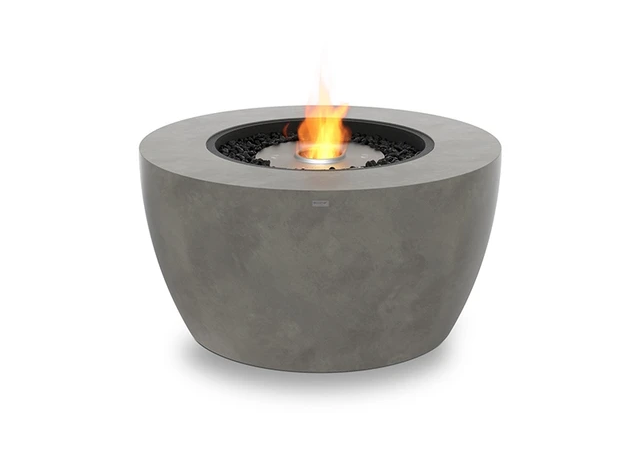
1. EcoSmart Fire Pod 40 Fire Pit Bowl with Ethanol Burner
Price: $3,695.00–$4,045.00
This fire bowl is inspired by traditional pottery shapes and adds an instant focal point to a patio, deck, or garden.
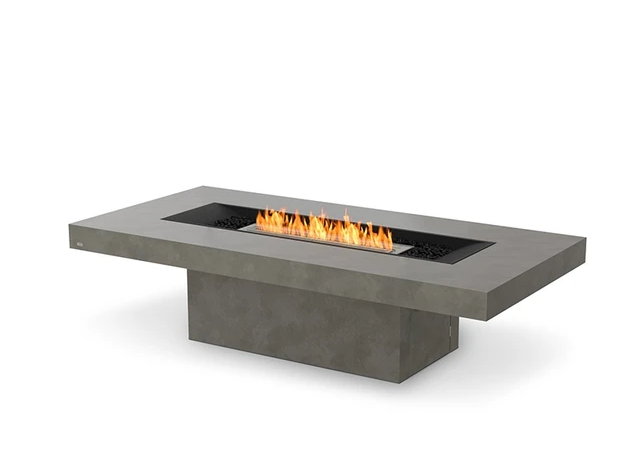
2. EcoSmart Fire Gin 90 Chat Height Outdoor Fire Table
Price: $6,395.00–$8,195.00
A lounge-height fire table with an elongated flame at its center, made for relaxed seating areas.
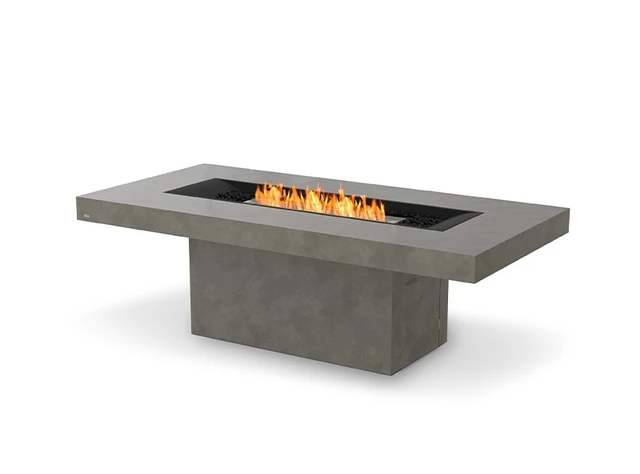
3. EcoSmart Fire Gin 90 Dining Height Outdoor Fire Table
Price: $6,695.00–$8,695.00
Designed with room for dining chairs, so you can enjoy a meal around the flame.
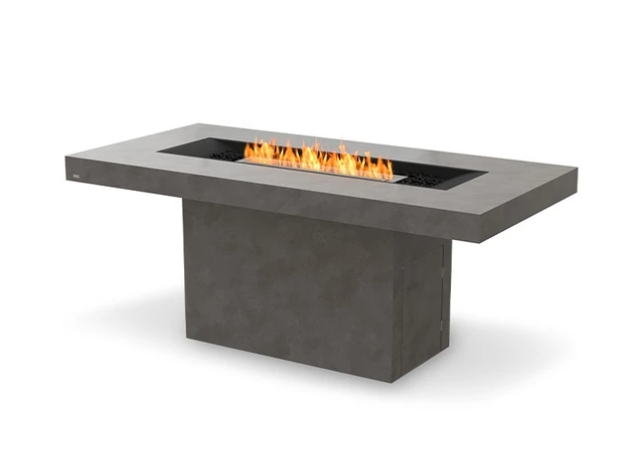
4. EcoSmart Fire Gin 90 Bar Height Outdoor Fire Table
Price: $6,995.00–$9,195.00
A bar-height option that encourages casual conversation around a central flame.
Looking for an indoor model? Browse our full bioethanol fireplace collection and EcoSmart Fire accessories and fuel.
Frequently Asked Questions
Are bioethanol fireplaces safe to use indoors?
Yes, when you use an indoor-rated model and follow its clearance, room size, and ventilation requirements. Always check the manual for your specific model.
Do bioethanol fireplaces produce smoke?
Bioethanol burns without smoke or soot when you use the correct fuel. EcoSmart Fire notes there may be a slight smell when you light and extinguish the flame, similar to blowing out a candle.
Can I use any bioethanol fuel?
Use the fuel your manufacturer specifies. EcoSmart Fire requires e-NRG bioethanol, and using other fuels may damage the burner and void the warranty. Never use gel fuel or gasoline in an ethanol fireplace.
How long should I wait before refueling?
Wait until the flame is fully out and the burner is cold. EcoSmart Fire notes this takes about 15 minutes after the last use.
Can I refill the burner while it is lit?
No. Never add fuel to a lit or hot burner.
How long does a bioethanol fireplace burn?
It depends on the model and burner size. EcoSmart Fire says its flames can burn for 6 to 10 hours on a full burner.
Can I convert my wood-burning fireplace to bioethanol?
Yes. EcoSmart Fire makes self-contained ethanol burners designed to sit inside an existing wood-burning fireplace opening. Call us to find the right fit for your firebox.
How often should I clean my bioethanol burner?
EcoSmart Fire recommends cleaning after about 50 liters of fuel, or sooner if you see black residue.
Find the Right Bioethanol Fireplace
A real flame without a chimney is easier than you think. Blazzing Fire is an authorized dealer for every brand it sells, with full manufacturer warranties and technical support on every order. Browse current deals at blazzingfire.com/promotions or call 866-238-9228 to find the right bioethanol fireplace for your space.